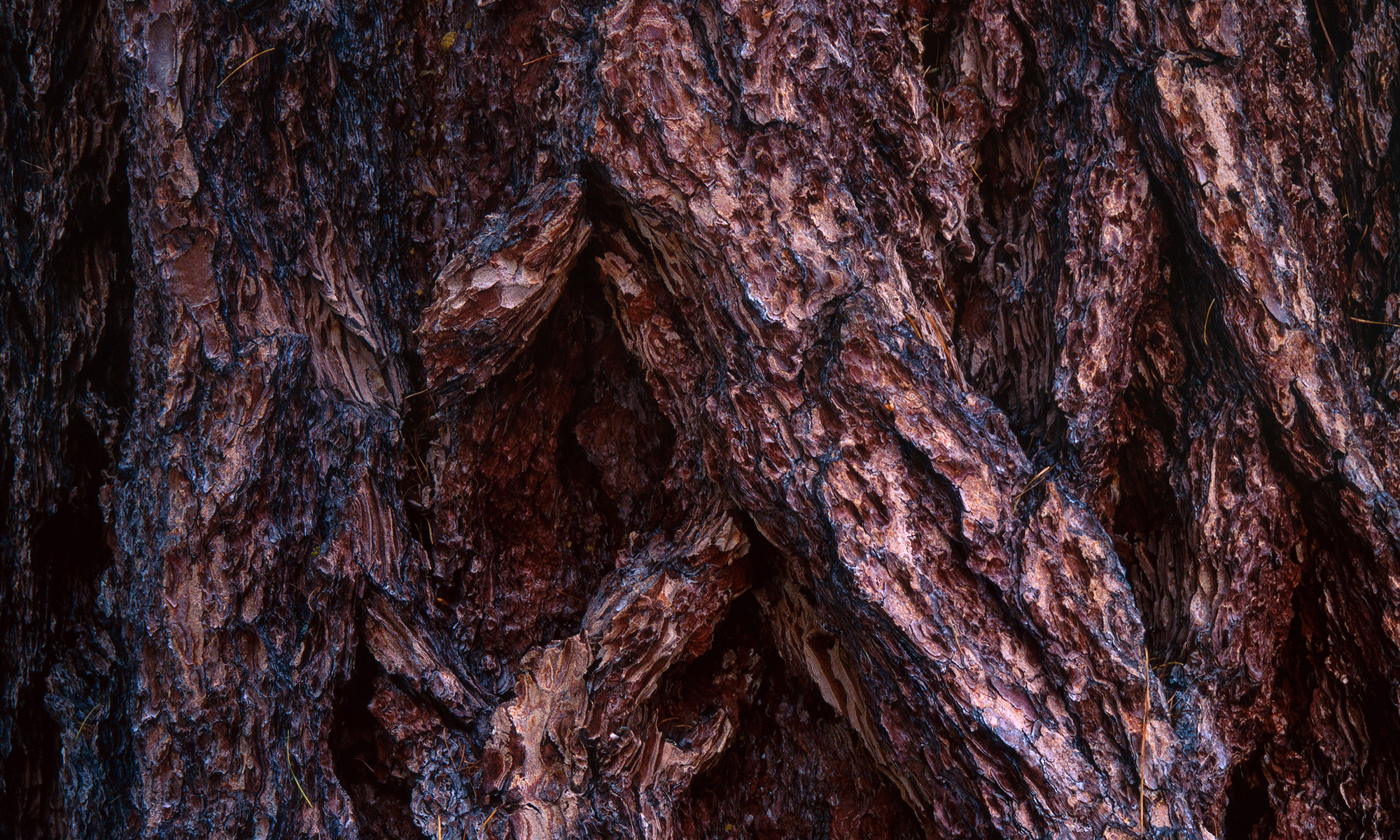

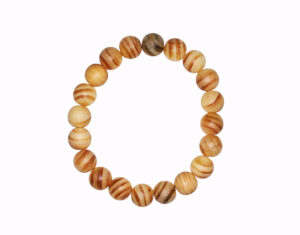
MOURI HONTEI Japanese Red Pine
毛利本邸赤松(モウリホンテイアカマツ)
産地;山口県(赤松が県木)
江戸時代に長州藩を領地として、武将としても有名で人気のある毛利氏。しかし関ケ原の乱により徳川家より減封されながらも名門として栄え続け、明治維新の薩長同盟により日本が一気に近代化が進みますが、明治の廃藩置県により、毛利家も城を明け渡すことになります。そして、その後毛利邸に移り住むことになりました。
今もその毛利本邸は現存しており、山口県の代表する観光地として知られています。高級列車の瑞風(1泊2日二名一室で36万円。スイートは86万円の高級列車*2025年現在)で観光コースに選ばれましたが、その際に本邸を整備しなおしたときに伐採されたのが、この毛利本邸の赤松です。
木の力;時代を変える力、誇り高き継承、不動の志、静かなる威厳
MOURI HONTEI Japanese Red Pine
Origin: Yamaguchi Prefecture (Red Pine is the prefectural tree)
During the Edo period, the Mōri clan ruled the Chōshū Domain and were renowned and respected as powerful samurai. Although their territory was reduced by the Tokugawa clan after the Battle of Sekigahara, the Mōri family continued to flourish as a prestigious lineage. Later, through the Satsuma-Chōshū Alliance during the Meiji Restoration, Japan rapidly moved toward modernization. However, with the abolition of feudal domains in the Meiji era, the Mōri family was required to surrender their castle and moved to the Mōri residence, which still stands today as one of Yamaguchi Prefecture’s most notable landmarks.
When the luxury train “Mizukaze” (starting from ¥360,000 per night for two, with suites up to ¥860,000 as of 2025) included this residence as part of its sightseeing route, the estate was renovated—and the red pine trees felled during that restoration were from the Mōri main residence.
Meaning: Power to change eras, proud inheritance, unwavering spirit, quiet dignity
*********************************************************
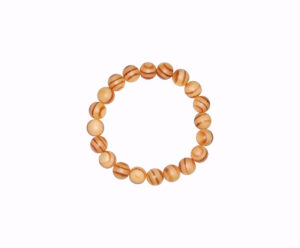
MATSUNOMA NAMERA Japanese Red Pine
松の間 滑松(マツノマナメラマツ)
産地;山口県(赤松が県木)
昭和に建てられた皇居の「松の間」「石橋の間(しゃっきょうのま)」に使われた、山口県県木の赤松「滑松」
松の間は、広さ370平方メートル(約112坪)で、床は宮殿内では唯一の板張りとなっており、幅約80センチメートル、厚さ4.5センチメートル、長さ約5.4メートルの欅材が87枚並べられています。壁面には、若松文様浮織の裂地張りが施してあります。
松の間は、宮殿内で最も格調高い部屋とされており、内閣総理大臣と最高裁判所長官の親任式、新任の外国の特命全権大使の信任状捧呈式、勲章・文化勲章の親授式などはこの部屋で行われています。これらの儀式の様子は、両側壁面に設けられた報道室から国民に伝えられています。
国有林の材により一般的に出回ることは非常に少ない希少な銘木です。
木の力;不老長寿、勇敢、優雅、格式、
MATSUNOMA NAMERA Japanese Red Pine
Origin: Yamaguchi Prefecture (the prefectural tree is the red pine)
The “Namematsu” red pine from Yamaguchi Prefecture — the prefectural tree — was used in the construction of the “Matsu-no-Ma” (Pine Chamber) and “Shakkyo-no-Ma” (Stone Bridge Chamber) of the Imperial Palace, which were built during the Showa era.
The Matsu-no-Ma, with a floor area of 370 square meters (about 112 tsubo), is the only room in the palace with wooden flooring. Its floor consists of 87 boards of zelkova wood, each approximately 80 cm wide, 4.5 cm thick, and 5.4 meters long. The walls are covered with fabric featuring a woven young-pine motif.
Regarded as the most prestigious room within the palace, the Matsu-no-Ma hosts significant national ceremonies such as the attestation ceremonies for the Prime Minister and Chief Justice, the presentation of credentials by newly appointed ambassadors, and the conferment of decorations and the Order of Culture. These events are broadcast to the public from press rooms located along the side walls.
Because the wood comes from national forests, it is an extremely rare and precious timber that is seldom available on the market.
Meaning: Longevity, courage, elegance, and dignity
*********************************************************