

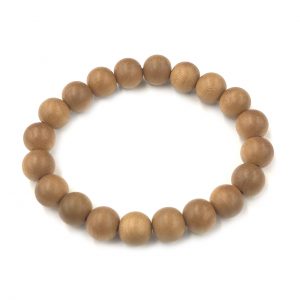
Yoshino Sakura
吉野桜
産地:奈良県吉野
吉野山の桜は修験道の祖、役行者が吉野の桜で金峯山寺の蔵王権現の像を刻んだとの伝承が残っている、約1300年も前から「ご神木」として崇拝され、手厚く保護されてきました。 春には下千本から奥千本にかけて約三万本という世界に類を見ない規模の桜が咲き誇り、その光景は、”一目に千本見える豪華さ”という意味で「一目千本」「千本桜」等と形容され、西行法師、松尾芭蕉の歌にもその美しさは詠まれています。
また、豊臣秀吉が1594(文禄3 )年、徳川家康、前田利家、伊達政宗ら錚々たる武将をはじめ、茶人、連歌師たちを伴い、総勢5千人でお花見に訪れた、という逸話が残っています。
木の力;圧倒的幸福感をもたらす、愛情、浄化、厄除け
Yoshino Cherry
Origin: Yoshino, Nara Prefecture
Legend holds that En no Gyoja, the founder of the Shugendo ascetic tradition, carved the statue of Zao Gongen for Kinpusen-ji Temple from the wood of Yoshino’s cherry trees. Consequently, these trees have been revered as “sacred trees” and carefully protected for some 1,300 years. In spring, approximately 30,000 cherry trees—a scale unparalleled anywhere else in the world—bloom across the mountain, ranging from the “Shimo-senbon” (lower groves) to the “Oku-senbon” (deepest groves). This magnificent sight is often described as *Hitome-senbon* (“a thousand trees in a single glance”) or *Senbon-zakura* (“a thousand cherry trees”), and its beauty has been celebrated in the poetry of figures such as the monk Saigyo and Matsuo Basho.
There is also a famous anecdote from 1594 (the third year of the Bunroku era) recounting how Toyotomi Hideyoshi visited the mountain for cherry blossom viewing with an entourage of 5,000 people, including renowned warlords like Tokugawa Ieyasu, Maeda Toshiie, and Date Masamune, as well as tea masters and *renga* poets.
Meaning: Brings an overwhelming sense of happiness; associated with love, purification, and protection against misfortune.