
NICHINAN Japanese Cedar
日南杉(ニチナンスギ)
産地;鳥取県
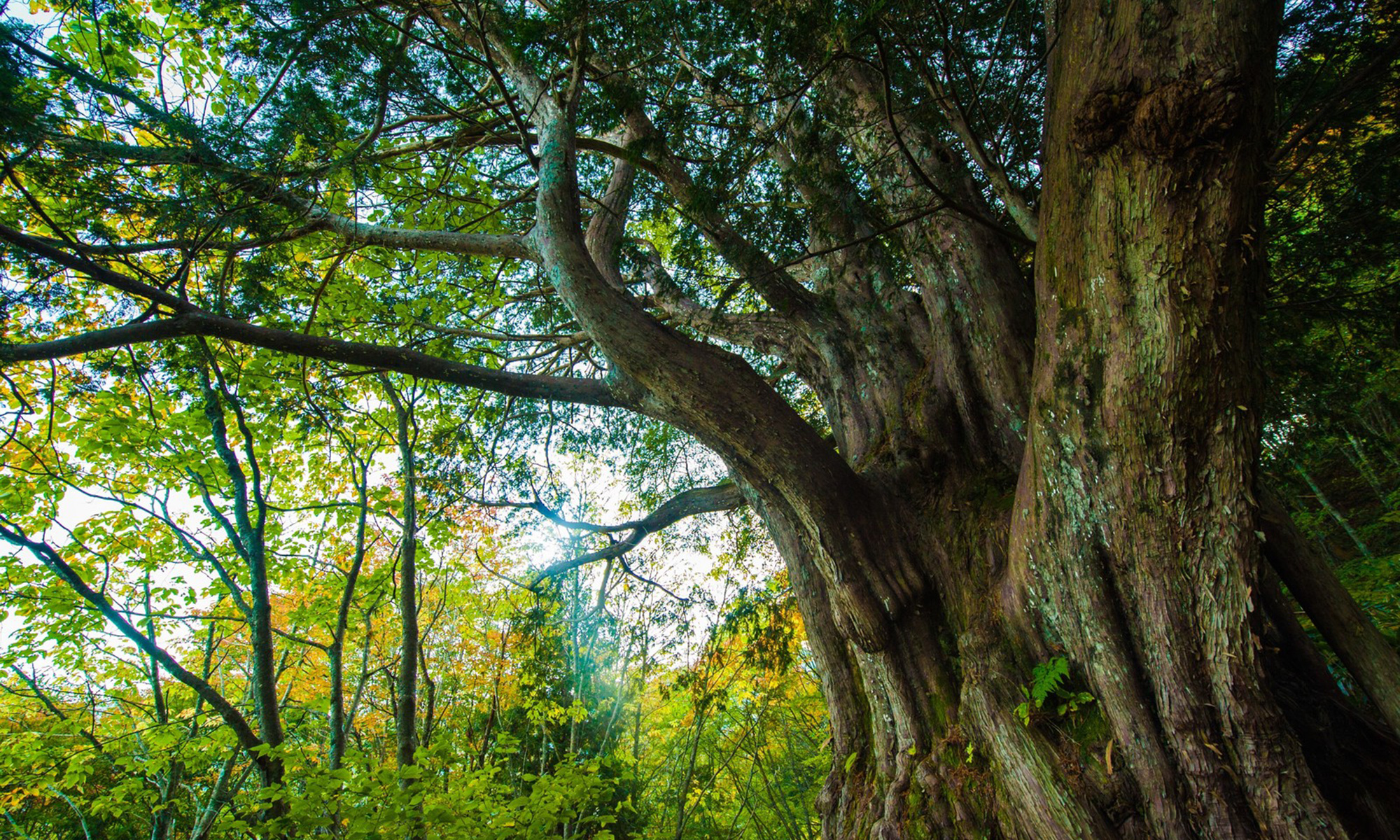
鳥取県西部にある日南町の杉。この地は古く、日本の重要な場所です。日南町の船通山(ふなとおりやま)に住んでいた八岐大蛇(ヤマタノオロチ)を須佐之男命が酒で酔わせて退治したという重要な舞台です。八岐大蛇の尾から出てきたのが三種の神器の一つ「天叢雲剣(あまのむらくものつるぎ)*草薙剣(くさなぎのつるぎ)ともいいます」です。そして、木花咲耶姫と邇邇芸命が結婚の儀を行ったとされる場所もあり縁結びの聖地ともいわれています。たたら製鉄も古来から中世まで盛んで、この杉が鉄を作る為の炭として使われていたそうで、山の中に入ると製鉄した時に出た不純物の鉄が転がっていることもあるそうです。杉の特有の芳香があり和菓子や樽酒に使われ、木目も美しく加工がしやすい銘木です。
木の力;不変の誠実、成長、清浄、秘める力
NICHINAN Japanese Cedar
Origin: Tottori Prefecture
This cedar comes from Nichinan Town in western Tottori Prefecture, an area rich in ancient Japanese history. It is said that the god Susanoo-no-Mikoto defeated the legendary eight-headed serpent Yamata-no-Orochi on Mount Funatōriyama in this region, after making the serpent drunk with sake. From the tail of the serpent emerged the Ame-no-Murakumo-no-Tsurugi (also known as the Kusanagi-no-Tsurugi), one of the Three Sacred Treasures of Japan.
Nichinan is also known as a sacred place for matchmaking, as it is believed to be where Konohanasakuya-hime and Ninigi-no-Mikoto held their wedding ceremony.
From ancient times through the Middle Ages, tatara ironmaking flourished in this area. The cedar from this region was used as charcoal for smelting iron, and even today, fragments of slag—the impurities left after ironmaking—can still be found scattered in the mountains.
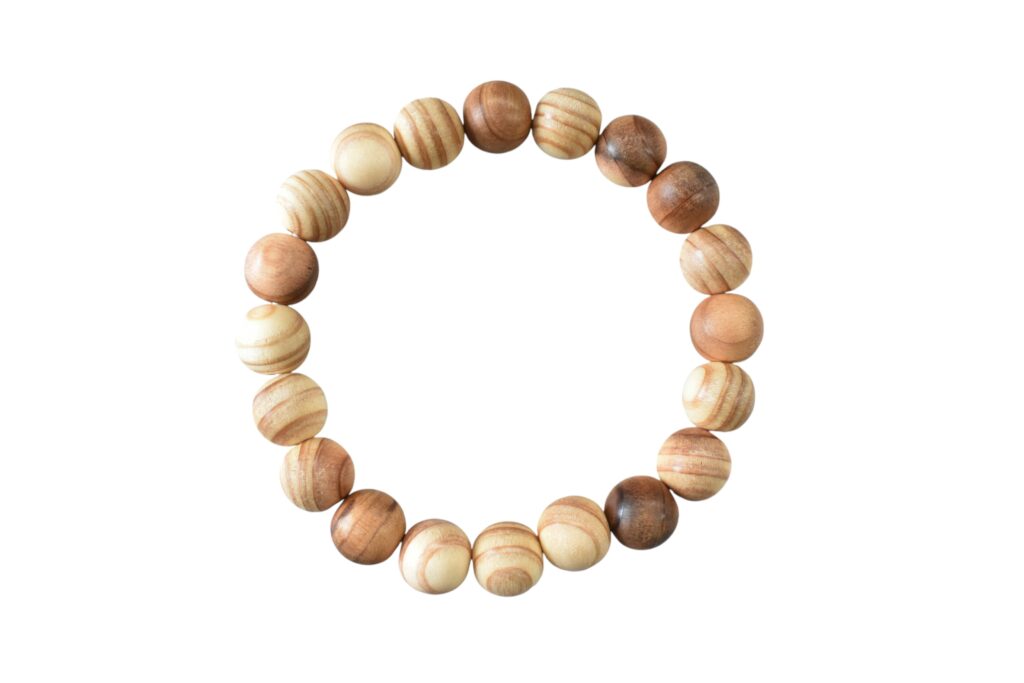
The cedar has a distinctive fragrance, making it prized for use in traditional Japanese sweets and sake barrels. Its beautiful grain and ease of processing have earned it recognition as a fine and valuable wood.
Meaning: unwavering sincerity, growth, purity, and hidden strength