

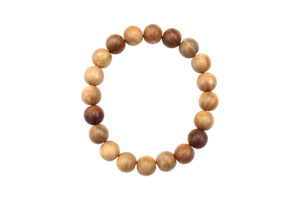
JINGU Japanese camphor
神功楠(ジングウクスノキ)
産地;福岡県(楠が県木)
日本最高の軍神である神功皇后伝説は西日本から西の各地に残っていますが、福岡県には更にその伝承も多く残り、お祀りする神社も数多く、香椎宮 、 宮地嶽神社、宇美八幡宮、松峡八幡宮などがあります。それらすべての神社に楠が植えられています。楠自体に霊力があるといわれ、神功皇后も巨大な楠で軍船を作ったという伝説があります。
日本全国でも昭和中期までは神功皇后信仰が高く、女性として初めて日本紙幣の肖像画にも採用されたほどでした。
木の力;勝利、神託、再生、永遠
JINGU Japanese Camphor
Origin: Fukuoka Prefecture (Camphor tree is the prefectural tree)
Legends of Empress Jingū, revered as Japan’s greatest war deity, remain across western Japan, but Fukuoka Prefecture in particular retains many of these traditions. Numerous shrines dedicated to her—such as Kashii-gu, Miyajidake Shrine, Umi Hachiman Shrine, and Matsugae Hachiman Shrine—feature camphor trees planted within their grounds. Camphor trees themselves are believed to possess spiritual power, and there is even a legend that Empress Jingū built her warships from enormous camphor trees.
Across Japan, faith in Empress Jingū remained strong until the mid-Shōwa period, and she was even chosen as the first woman to appear on Japanese banknotes.
Symbolic meaning: Victory, divine revelation, rebirth, eternity