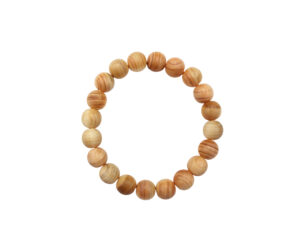
WTATSUMINOKAMI Japanese cypress
綿津見神 桧(ワタツミノカミヒノキ)
産地;長崎県
長崎県は民有人工林の総面積うち、桧が大半を占めるという九州でも珍しい構成になっています。植林のほとんど、杉が多い中で桧中心の林業が占める長崎は特異ともいえます。
その理由としては、山が急こう配で地質が崩れやすいので根張りが良く、耐久性があり、土壌の保持力が高いので土砂崩れを防ぐなどの役割を持っています。
中国や韓国も近いので海運で長崎県産のヒノキ材が運ばれる立地条件も助けていると思われます。壱岐・対馬・五島列島を経由して古来より貿易も盛んで、海運や海自体への信仰も厚く、海神である綿津見神(わたつみのかみ)を祀る神社が長崎本土や島々にも多くあります。その神社でもヒノキ材が使われ境内にも桧が植えられていることが多く見受けられます。
木の力;海神、交通安全、貿易、再生
WTATSUMINOKAMI Japanese Cypress
Origin: Nagasaki Prefecture
In Nagasaki Prefecture, privately owned planted forests are uniquely composed mostly of cypress—an uncommon structure even within Kyushu, where cedar plantations dominate. One reason for this is the region’s steep mountains and fragile geology: cypress has strong, wide-spreading roots, excellent durability, and high soil-retention capacity, making it effective in preventing landslides.
Nagasaki’s proximity to China and Korea has also contributed to the distribution of Nagasaki-grown hinoki via maritime trade. Since ancient times, trade has flourished through the Iki, Tsushima, and Goto islands, and because of this deep connection with the sea, maritime beliefs are strong. Many shrines on both mainland Nagasaki and the surrounding islands enshrine Watatsumi-no-Kami, the sea deity. These shrines frequently make use of hinoki in their construction, and cypress trees are often planted within their precincts.
Symbolic meaning: Sea deity, traffic safety, trade, rebirth