
OBISUGI
飫肥杉(オビスギ)
産地;宮崎県
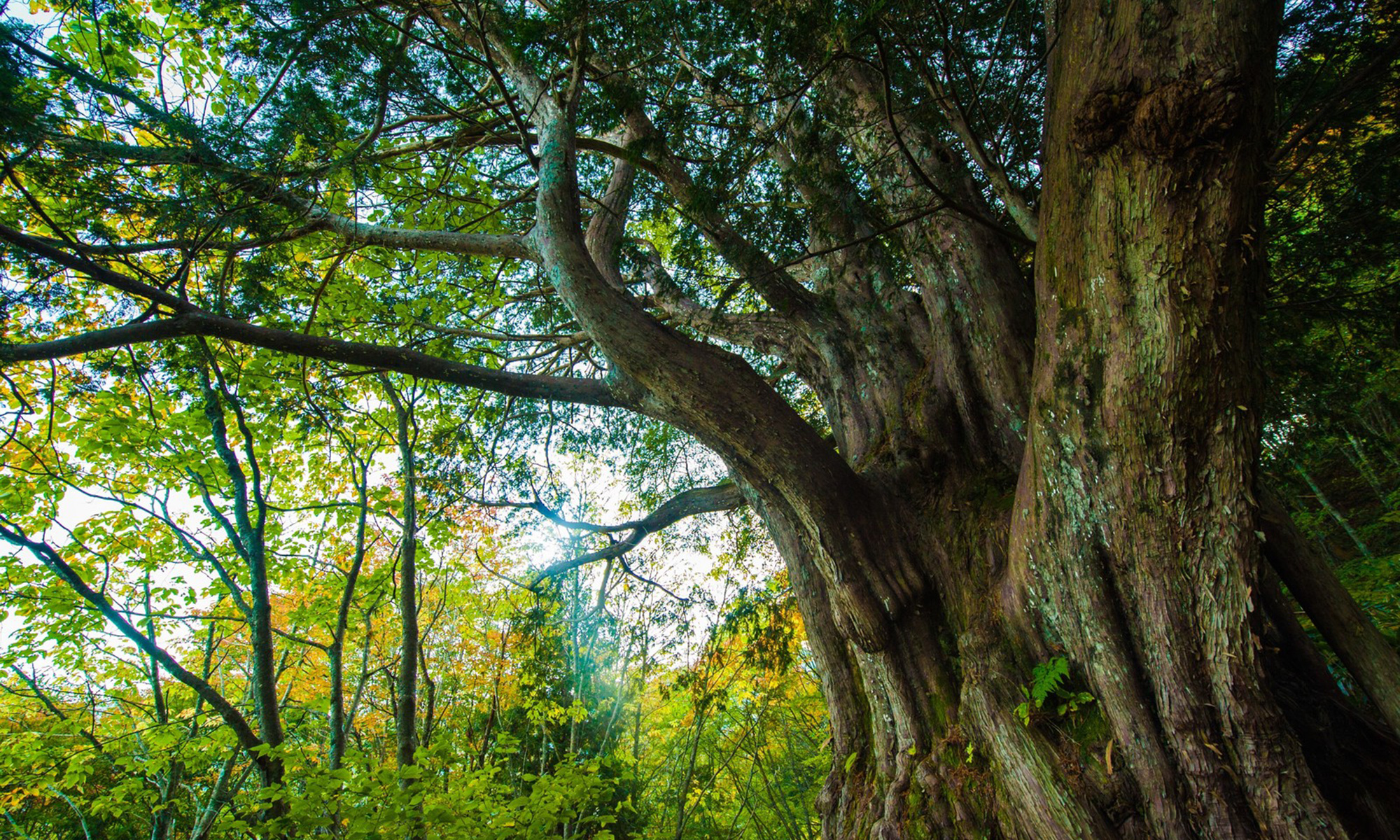
飫肥杉とは宮崎県南部の日南市周辺で育成されるスギの総称で、オビアカ、タノアカ、アラカワ、クロ、トサグロ、ヒダリマキなどの品種があります。植林は400年前の江戸時代から続き、地域特産の銘木です。「飫肥杉」という名称は、飫肥藩の領地だったことに由来しています。
高い樹脂含有量で吸水性が低く、湿気に強く腐りにくく、裂けにくく、折れにくく、曲げに強く、加工しやすいのが特徴です。特に芯材(赤身部分)はシロアリに非常に強く、軽量かつ強靭で造船材としても使われたほどの強度を持ち、建築材としても優秀です。飫肥藩伊東氏が財政再建のために植林を奨励し、木造船の材料として瀬戸内海や韓国へ出荷されていました。
木の力;雄大、堅固、優秀
OBISUGI
Origin: Miyazaki Prefecture
Obi Sugi is a collective term for cedar grown in southern Miyazaki Prefecture, mainly around Nichinan City. It includes several varieties such as Obiaka, Tanoaka, Arakawa, Kuro, Tosaguro, and Hidari-maki. Cultivation has continued since the Edo period about 400 years ago, making it a specialty timber of the region. The name “Obi Sugi” comes from the fact that the area was once the territory of the Obi Domain.
It is characterized by its high resin content, low water absorption, strong resistance to moisture, decay, cracking, and breaking, as well as excellent flexibility and workability. In particular, the heartwood (the reddish core) is highly resistant to termites, and its combination of lightness and exceptional strength made it suitable even for shipbuilding materials. It is also excellent as a construction material. To rebuild the domain’s finances, the Ito clan of the Obi Domain encouraged reforestation, and the timber was shipped as wooden ship materials to the Seto Inland Sea region and Korea.
Meaning: Magnificence, solidity, excellence